Cargo packaging
?
The right box, appropriate internal protection and solid closure: examine together the materials you will need and the application order when preparing your product for shipping.
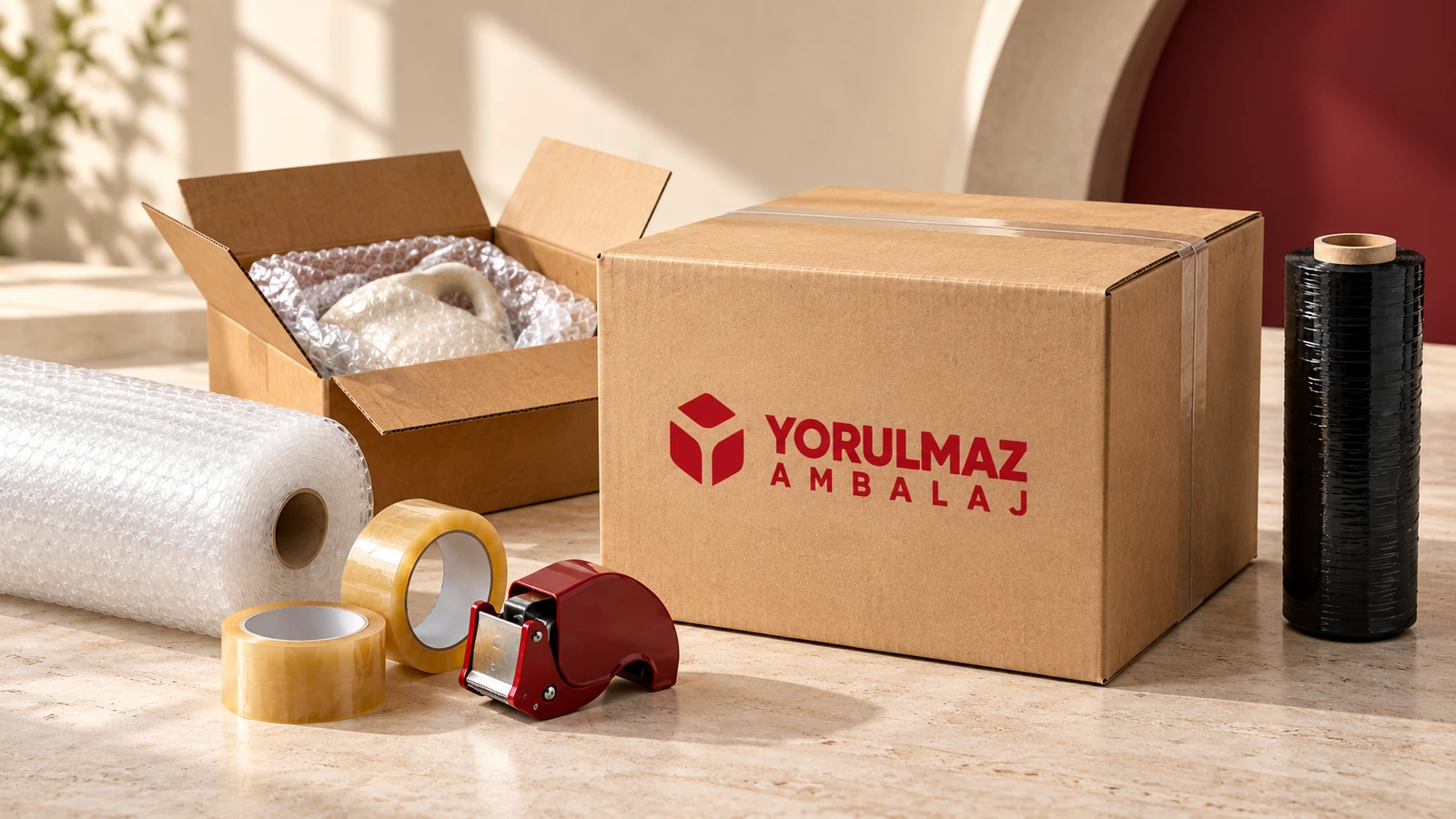
What is the basis of safe cargo packaging?
To pack the cargo, choose a sturdy box suitable for the size and weight of the product. Wrap delicate items individually, support spaces within the box with appropriate padding, and limit product movement. Seal the bottom and top covers with duct tape; Check the package one last time by placing the label on a flat, visible surface.
Cargo packaging in 6 steps
The needs of each product are different. This order helps you use the right ingredients at the right stage.
Evaluate the product and shipping conditions
Determine the weight, dimensions, fragility and surface sensitivity of the product before starting packaging. Glass, ceramics, textiles and multi-piece products do not need the same protection. Let the manufacturer's packaging recommendations and the carrier's acceptance conditions guide your choice.
First, get to know the product; choose the material accordingly.
Choose a sturdy cargo box of appropriate size
The box should carry the product without compressing it and leaving enough space for the protective material. An oversized box requires more filling; A narrow box brings the product closer to external impact. Do not use boxes that are crushed, wet or with weakened corners. For heavy items, check the carrying capacity of the box.
Determine the size not only according to the product, but also with the internal protection margin.
Wrap delicate parts individually
Cover sensitive surfaces with bubble wrap, suitable foam or protective material compatible with the product. Protect multiple breakables separately rather than packing them into a single layer. Pay attention to handles, corners and protrusions; Do not apply tape adhesive directly to the sensitive surface of the product.
Avoid direct contact of glass and ceramic parts with each other or with the box wall.
Fill in the gaps, secure the product
Place a layer of protection on the base; Position the product evenly in the box. Support the side and top spaces with filling material suitable for the weight of the product. Kraft filling paper, bubble wrap or suitable dividers can be used. Do not treat the light filling as the carrier support of a heavy product.
The product should not move freely when the box is closed; The filling should not crush the product either.
Seal the box with H banding method
Apply the duct tape to a clean and dry surface. Tape the center join and the two edge joins of the bottom covers; Repeat the same process on the top lid. Thus, the bands combine in an H shape. Don't just rely on a single lane running through the middle; For heavy packages, evaluate the suitability of the box and tape together.
Pallet stretch is for outer wrapping; It does not perform the duties of duct tape and inner filling.
Label and check before delivery
Remove old addresses and barcodes. Place the new shipping label on a flat surface, away from cover seams and corners. Avoid wrinkles and reflections that prevent the barcode from being read. Check the package closing, recipient information and carrier conditions before delivery.
The “Fragile” label is a helpful warning; It is not a substitute for protective packaging.
What are the uses of cargo packaging materials?
Parcel, bubble wrap, padding, tape and stretch perform different tasks. Increasing one does not always compensate for the deficiency of the other.
| Material | Main mission | Be careful when choosing |
|---|---|---|
| Cardboard box | The main structure surrounding the product during external impact and transportation. | Product + protective allowance, total weight, strength and solid corners. |
| Bubble wrap / patpat | Wrapping delicate surfaces and separating parts. | Surface compatibility, bubble structure and protection required by the product. |
| Filler and separator | Supporting spaces within the box, limiting movement. | Density appropriate to the weight of the product; divider or support as needed. |
| Duct tape | Closing the upper and lower cover combinations. | Adhesive compatible with cardboard surface, package weight and storage conditions. |
| Pallet and goods stretch | To make outer wrapping, to help hold suitable packages together. | Product suitable for wrapping application; Not to be confused with food stress. |
| 40 × 60 cm SEKA packaging paper Check out the | It reduces the friction of the surfaces against each other by being placed between the products in the box. | Leave folding allowance on the edges for wrapping. For breakable items, use additional cushioning against impacts. |
To get to know bubble wrap more closely patpat packaging guide, the article on types of packaging .
How should you package according to product type?
Glass and ceramics
Wrap each piece separately; Put a divider between them. Support corner, handle and mouth parts. For very sensitive shipments, the double box method with appropriate protection between the outer box and the inner box may be considered.
Textiles and soft products
Place the product in a clean inner packaging. Evaluate the cargo bag option according to the impact and crushing needs of the product; Box hard accessories and products that need to maintain their shape when necessary.
Books and angular products
Support corners and edges. Reduce movement with appropriately sized boxes and flat dividers. Prevent packaging tape from sticking to the printed surface, binding or product label.
Heavy and multi-piece shipments
Choose a box and carrier support appropriate for the weight. Place the pieces evenly; Do not consider using plenty of soft filling alone as sufficient. If necessary, negotiate pallet shipping conditions with the carrier.
Choose products that suit your needs
Evaluate your parcel, protective packaging, tape and outer wrapping needs separately. Check the product details for size, package content and order options.
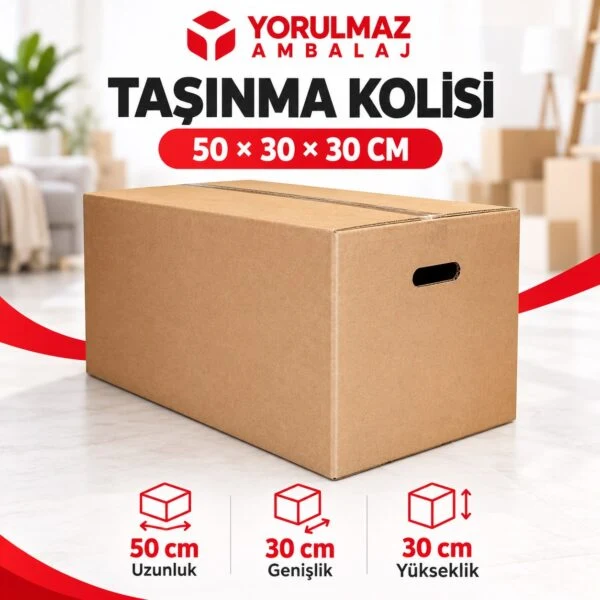
Cardboard Moving Box, 50 × 30 × 30 cm
Create a solid outer layer with a box suitable for size and weight.
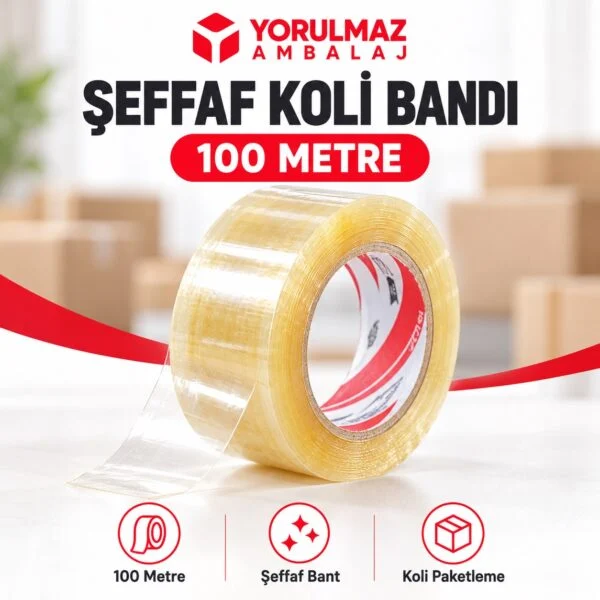
Strong-Adhesive Packing Tape, 100 m
Tape the upper and lower joints of the parcel using the H method.
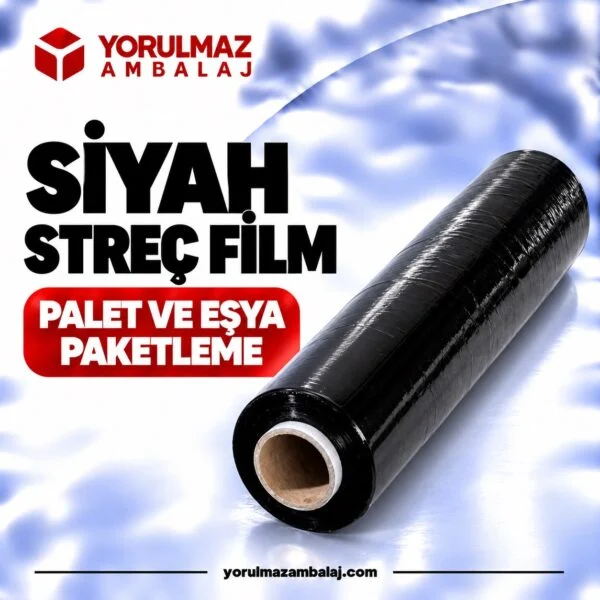
Black Pallet Stretch Wrap, 2,500 g
Use to hold packages together; Select the inner filling material separately.
If you send regularly bulk offer request . Product size, weight and approximate need help us make the right choice.
Check before shipping.
Good packaging depends on controlling the application as well as on the choice of material.
- The parcel is intact; Its size and carrying capacity are suitable for the product.
- Delicate parts wrapped separately, do not touch each other.
- Bottom, side and top spaces were supported with suitable material.
- The lids close without difficulty; The product does not move freely inside.
- Bottom and top joints are securely taped.
- Removed old barcodes; The new label is plain and legible.
Frequently asked questions about cargo packaging
How to pack fragile items for cargo?
Wrap fragile parts such as glass and ceramics separately with protective material. Prevent them from coming into direct contact with each other and the box wall; Support gaps with appropriate padding and dividers. Close the box securely. The fragile label alone does not provide protection; Also check the carrier's special packaging conditions.
Are bubble wrap and patat the same thing?
Patpat is a common name for bubble wrap with air bubbles. Products may vary in width, length, bubble structure and thickness. When choosing, look not only at the name, but also at the product features and the sensitivity of the item to be wrapped.
Is stretch film alone sufficient for cargo packaging?
Pallet and goods stretch is used for outer wrapping and holding together. It is not a substitute for a sturdy box, inner protection and packing tape on a fragile product. The purpose of use of food stretch and pallet stretch in the kitchen is different.
How should duct tape be applied?
Apply the tape to a clean and dry cardboard surface. Apply H tape on the bottom and top lids of the box to cover the middle junction and two edges. Select tape appropriate to package weight and carton surface; Check that there are no openings in the corners.
Should you choose a cargo bag or a cardboard box?
Appropriate cargo bags can be used for some soft and unbreakable textile products. Cardboard boxes and internal protection may be more appropriate for products that are crushable, have hard corners, are fragile or need to maintain their shape. Consider the structure of the product and the carrier conditions together.
Does box size affect shipping cost?
Carriers may consider volumetric weight as well as actual weight. Larger parcels increase the need for space and padding. Please check the current tariff as the divisor and pricing method used to calculate volumetric weight may vary by carrier or service.
How to standardize packaging for e-commerce orders?
Define the order of packing, protective wrapping and closing for products of similar size and weight. Keep ingredients organized on the packing table; Repeat the label and final check step with each order. Improve the protection method by product group by monitoring damage feedback.
How can I choose cargo packaging materials?
First determine the size, weight, fragility and approximate shipment quantity of the product. Then separately evaluate the need for boxes, protective packaging, padding and tape. You can review current sizes and prices on Yorulmaz Ambalaj product pages; You can contact us for your bulk needs.